

Creating the perfect environment for weed growth requires Cannabis HVAC Design over several crucial factors. Whether you're rising inside or in a greenhouse, understanding these climate requirements can make the huge difference between a mediocre crop and outstanding yields.
Heat Administration
Weed flowers flourish within specific heat ranges that differ by development stage. During the vegetative stage, maintain day conditions between 70-85°F (21-29°C) and night conditions about 65-75°F (18-24°C). This temperature differential encourages balanced development and stops stress.
Throughout flowering, somewhat colder problems perform best. Hold daytime temperatures between 65-80°F (18-26°C) and night temperatures about 60-70°F (15-21°C). That colder setting assists maintain terpenes and stops temperature strain that may damage developing buds.
Monitor heat variations carefully. Sudden improvements may shock crops and lower overall productivity. Use thermostats, supporters, and heating techniques to keep consistent problems during your growing space.
Humidity Get a grip on
Relative moisture plays an essential position in avoiding form and mold while promoting healthy place development. Young seedlings require larger moisture degrees about 65-70% to aid their delicate root systems and promote quick growth.
As flowers mature in to the vegetative stage, gradually minimize humidity to 40-70%. That selection gives enough humidity for vigorous growth while reducing the risk of fungal problems that may devastate entire crops.
Throughout flowering, decrease humidity levels become essential. Keep 40-50% relative moisture to prevent marijuana rot and other moisture-related problems. Heavy bloom clusters develop microclimates that trap water, creating appropriate ventilation critical during this phase.
Air Circulation and Ventilation
Appropriate circulation strengthens plant stalks, prevents stagnant air pockets, and retains consistent environmental problems throughout your rising space. Mount fatigue fans to get rid of hot, moist air and absorption fans to bring in fresh, cool air.
Place oscillating supporters to create soft air movement across the seed canopy. This circulation mimics normal wind styles and helps in avoiding pest infestations while strengthening plant structure.
Calculate your ventilation needs based on room measurement and heat sources. An excellent principle involves entirely changing the air in your rising place every 3-5 minutes during maximum rising periods.
Monitoring and Modifications
Spend money on quality tracking gear to track temperature, moisture, and air circulation patterns. Digital devices with remote monitoring functions permit you to produce changes even though from your growing area.
Hold detailed records of environmental problems and place responses. This data assists recognize optimal controls for the certain startup and strain requirements.
Seasonal Factors
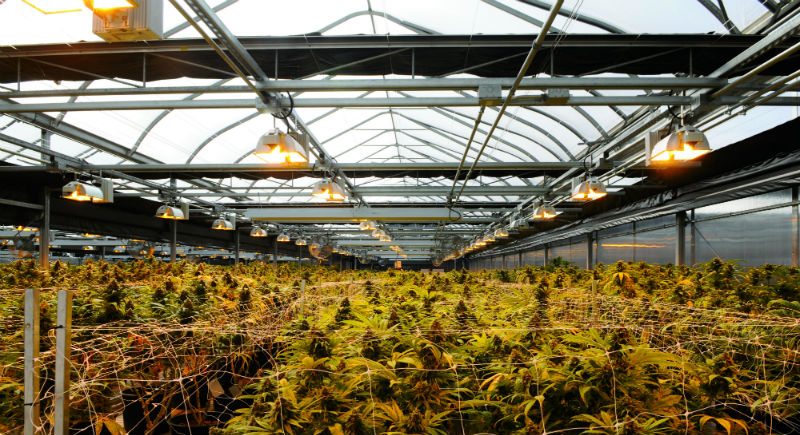
Outdoor growers should work with normal environment patterns while interior growers may maintain year-round consistency. Contemplate periodic energy prices, regional climate designs, and legitimate growing windows when preparing your cultivation schedule.
Achieving optimal climate conditions involves attention to depth, quality gear, and regular monitoring. These investments in appropriate environmental get a handle on may prize you with healthiest flowers, higher yields, and higher quality harvests.